Why Your Guitar Won't Stay in Tune
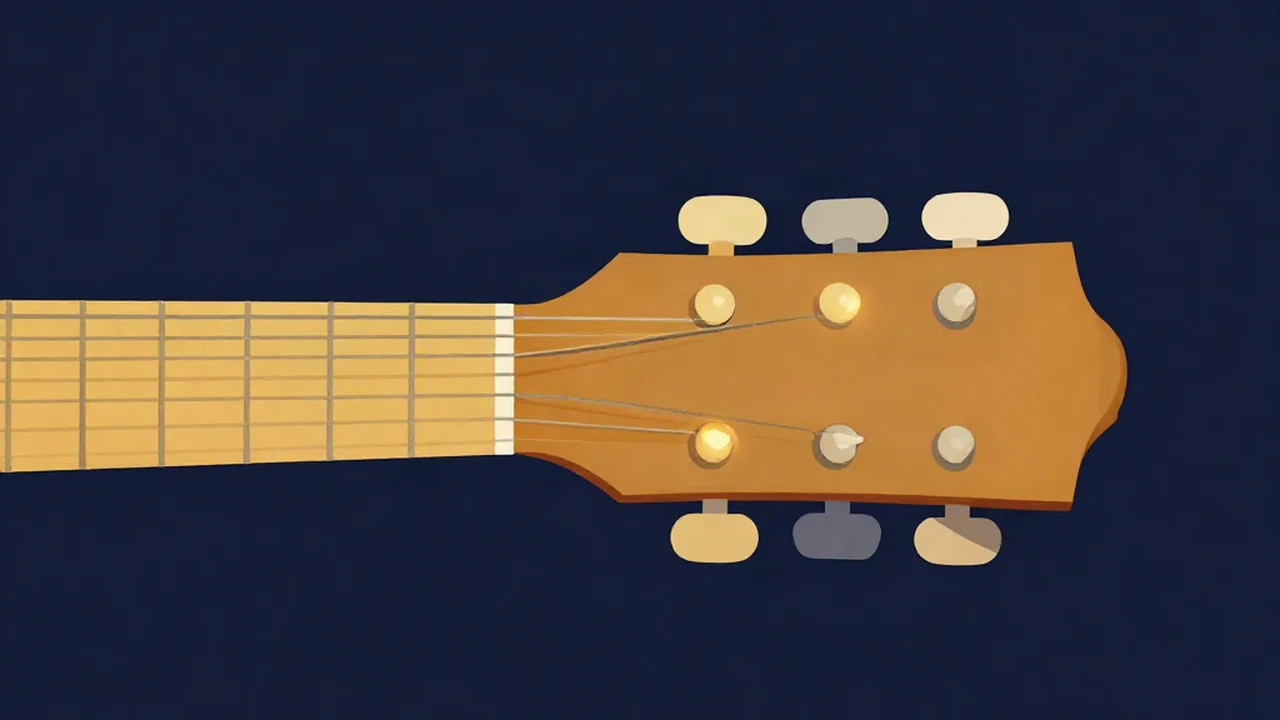
If your guitar won't stay in tune, check it with the Guitar Tuner and then look at when it drifts, because the timing points to the cause. The usual suspects are new strings that are still stretching, strings catching in the nut, tuning down to a note instead of up to it, and changes in temperature or humidity. Less often it's a slipping string, loose tuner hardware, or a guitar that needs a setup.
New to tuning itself? Start with How to Tune a Guitar With an Online Tuner. This guide is for when you can get each string to green but it won't stay there.
Why your guitar won't stay in tune: find your symptom
| What you notice | Likely cause | First fix |
|---|---|---|
| Keeps going flat for a day or two after a restring | New strings stretching | Stretch them in, retune, repeat |
| String pings or jumps while you tune, then drifts later | Binding in the nut slot | Graphite in the nut slots |
| Settles a little flat a few minutes after tuning | Tuning down to the note | Tune up to pitch |
| Whole guitar is off after moving rooms or a change of season | Temperature and humidity | Let it acclimatise, then tune |
| One string keeps slipping flat on its own | Winding, tuner post, or ball end | Restring that string properly |
| Notes go sharp when you fret them | Grip pressure or high action | Lighter touch; check the setup |
| Out after bends or whammy use | Nut friction or tremolo | Lubricate the nut; check the trem |
| Open strings read perfect, chords still sound sour | Intonation | A setup |
Tune up to the note, not down to it
No habit fixes more drift than this one. Always approach the target pitch from below. If a string is sharp, loosen it until it reads clearly flat, then tighten back up to the centre line.
A tuning machine has a little play between its gear teeth. Tightening loads the gears in one direction, and they stay put; stop after loosening, and the gear can sit in that slack and let the string creep flat as you play. The nut does something similar: lower the pitch and the string can stick in the slot, leaving extra tension behind it that works its way through later.
If you overshoot while tightening, don't just back off to the note. Drop below it and come up again.
New strings that keep going flat
Fresh strings stretch. If the guitar keeps going out of tune in the first day or so, and always flat, this is almost certainly why. The string is settling under tension and the wraps on the tuner post are tightening up.
Speed it up by stretching them in. After tuning, hook a finger under each string and pull it gently away from the fretboard at a few points along its length, then retune. Repeat until the strings stop dropping much. A firm, steady pull is enough.
How long strings take to settle depends on who you ask: anywhere from one practice session to a few days, and nylon takes longer than steel. Strings in a lower tuning are under less tension and can feel floppier while they settle, which is worth knowing if you play in half step down tuning or other alternate guitar tunings.
Strings catching in the nut
The nut is the slotted strip at the top of the neck the strings pass over. If a slot is a bit tight or rough, the string sticks instead of sliding. The giveaway is a "ping" or a sudden jump in pitch while you turn the peg, rather than a smooth glide. The string then holds some extra tension behind the nut and releases it later, so the note drifts after you thought you'd finished.
The cheap fix is graphite. Next time a string is off, rub a soft pencil lead into its nut slot (or use a commercial nut lubricant), then restring. It often cures the ping straight away. If a slot is genuinely too narrow, or a string is binding badly, that's a job for a tech rather than a file in your kitchen.
Temperature and humidity
Wood and metal both move with the weather. Bring a guitar in from a cold car or a hot gig and the strings and neck change as they warm or cool, so the tuning moves with them. Seasonal shifts do the same thing slowly, which is why a guitar that held all summer can wander in winter.
When it comes in from somewhere colder or warmer, leave it in its case to acclimatise before you tune; otherwise you're tuning a guitar that's still changing. Keep it away from radiators, vents, and sunny windows. Taylor, for example, recommends keeping its acoustic guitars at 45–55% relative humidity; a hygrometer in the case or room will tell you where you stand.
One string that keeps slipping
If one string drifts while the others hold, look at that string's ends.
- Not enough wraps on the post. Too few and the string can slip. Advice ranges from about two to four wraps; two or three is a good target. Too many can creep as they bed in.
- The tuner itself. Check the nut on the face of the headstock and the screw on the back of each machine head. A loose tuner can shift under tension. Snug them gently.
- The ball end. On an acoustic, make sure it's seated against the bridge plate, not caught on the bridge pin. On an electric, check it's fully seated in the bridge.
If a string keeps slipping after a careful restring, the tuner may be worn and worth replacing.
Old strings are worth ruling out too. Worn, grimy strings sound dull, hold pitch less reliably, and can make fretted notes less true. If you can't remember the last change, try a fresh set first.
Notes go sharp when you fret them
If open strings read in tune but fretted notes come out sharp, you may be pressing too hard or pushing the string sideways. Fret a note gently while watching the tuner, then press harder, and you'll see the reading rise. A lighter touch fixes most of this. High action (strings sitting far above the frets) makes it worse, and that's a setup issue.
A capo does the same thing on a larger scale. Put it close behind the fret, not in the middle of the gap, and keep it square to the neck. A capo placed badly or clamped too hard pulls strings sharp, so retune after you put it on.
After bends and whammy bar use
Bends and tremolo dives drag string through the nut and around the posts. If it doesn't slide back cleanly, the note returns slightly off. Graphite in the nut slots helps here too. On a floating tremolo the springs balance the string tension, so retuning one string shifts the others; tune in a couple of passes. If it never returns to pitch, have a tech check the springs, pivot, and nut.
When it's time for a setup
Some problems you can't fix with technique or graphite. Book a setup with a guitar tech if:
- Open strings are in tune but chords sound sour, especially higher up the neck.
- The 12th-fret harmonic and the fretted 12th-fret note read differently on the tuner. That's intonation, set at the bridge saddles.
- The action is high enough that fretting pulls notes sharp.
- The neck looks bowed, or the guitar changed noticeably with the seasons. Neck relief is set at the truss rod, a job best left to someone who does it daily.
A setup typically covers neck relief, action, intonation, and the nut. It's routine maintenance, not a sign the guitar is bad.
Check the tuner reading, too
Sometimes the guitar is fine and the reading is what's off. A tuner can only show what it hears, so give the Guitar Tuner a clean signal.
- Pluck one string cleanly, let the attack pass, and read the sustained note. A string reads a little sharp right after it's struck.
- Mute the other strings with your fretting hand so they don't ring along.
- Tune in a quiet room, close to the mic.
Our tuner calls a note in tune when it's within 5 cents either way, which is close to the smallest difference most ears can pick out, so there's no need to chase a perfect zero.
Check the reference, too. The tuner defaults to A4 = 440 Hz, adjustable from 415 to 466 Hz. If a band or a recording sits at a different reference, your guitar can be perfectly in tune at 440 and still sound off against them. Standard Guitar Tuning: The EADGBE Notes lists the target frequencies at 440. To double-check by listening, How to Tune a Guitar by Ear covers the 5th-fret and harmonics methods.
Frequently asked questions
Why does my guitar go out of tune so fast with new strings?
New strings stretch and settle under tension, and the wraps around the tuner posts tighten as they bed in. Both make the pitch drop, so a freshly strung guitar keeps going flat for a while. Stretch each string gently by pulling it away from the fretboard a few times, retune, and repeat until it stops dropping. Expect a few more retunes during the first sessions.
How long do new guitar strings take to settle?
It depends on the strings, the gauge, and how much you play, so there's no fixed figure. Estimates run from a single practice session to a few days, and stretching the strings in shortens it. Nylon strings on classical guitars take longer than steel. Keep retuning until the guitar holds pitch from one session to the next.
Does temperature affect guitar tuning?
Yes. Temperature and humidity changes make the strings, neck, and body expand or contract, so the tuning shifts. That's why a guitar brought in from a cold car or a hot stage often goes out of tune quickly. Leave it in its case to acclimatise to the room before tuning, and keep it away from heaters, vents, and direct sun.
Should I tune up or down to a note?
Tune up to it. If a string is sharp, loosen it until it's below the note, then tighten back up to pitch. Approaching from below takes up slack in the tuner gears and lets the string settle at the nut. Tuning down to a note can leave slack that lets the string slip flat once you start playing.
Why does my guitar sound out of tune when the tuner says it's in tune?
Usually it's intonation. The open strings can read perfectly while fretted notes come out sharp or flat, which makes chords sound sour. Compare the 12th-fret harmonic with the fretted 12th-fret note on a tuner; if they differ, the guitar needs a setup. Pressing too hard, a badly placed capo, or playing along with music at a different reference pitch can do it too.