Half-Time vs Double-Time: BPM Finder Guide
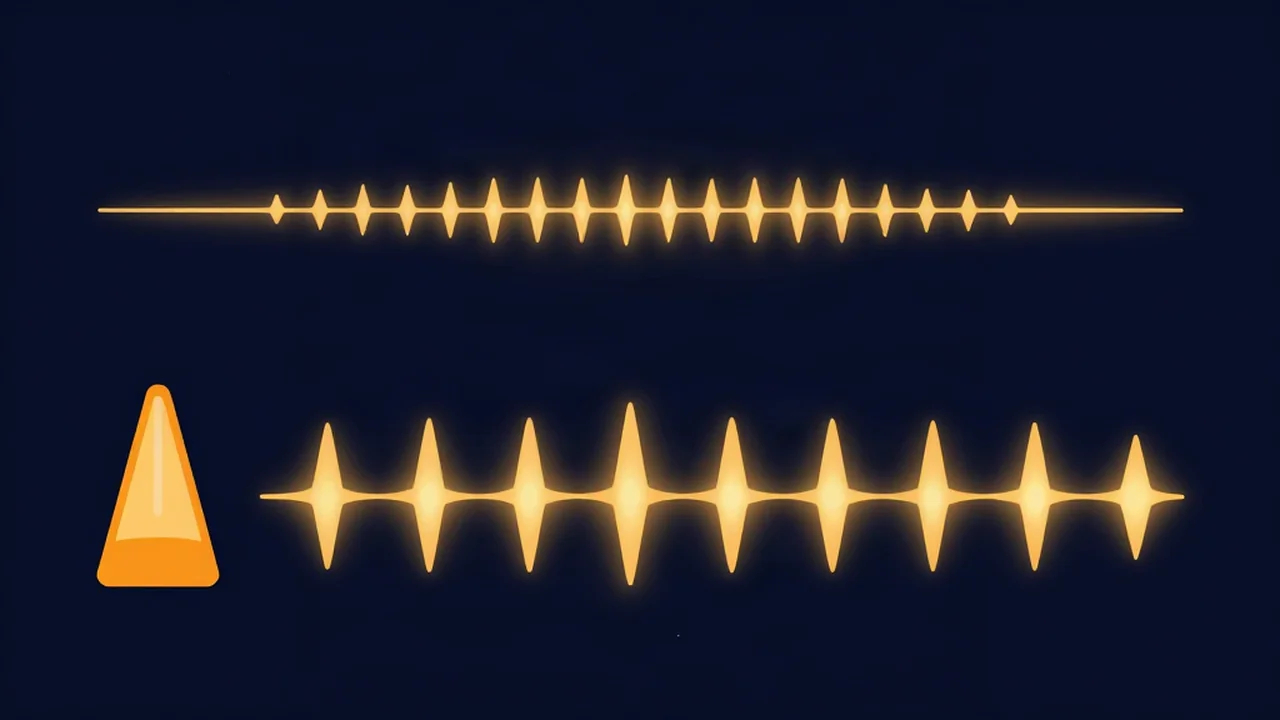
A BPM Finder can tell you a trap beat is 140 BPM while your foot insists it's 70, and both answers are correct. Half-time and double-time are ways of feeling a tempo, not changes to it. The clock underneath stays the same. What moves is where the snare lands and how often your head nods.
This guide covers what each term means, where you hear them, and how to choose which number to write down when a song BPM finder (or your own tapping) gives you one that feels off by a factor of two.
Tempo and feel are two different things
Tempo is the rate of the beat, counted in beats per minute. If BPM itself is new to you, start with What Is BPM? Tempo Explained + BPM Finder.
Feel is how the drums and bass organise that beat. In a standard rock or pop backbeat, the kick sits on beats 1 and 3 and the snare hits on 2 and 4. Play that at 140 BPM and it sounds busy and forward-leaning.
Now keep the hi-hats ticking at the same 140 BPM grid, but move the snare so it only hits on beat 3. The bar suddenly feels twice as long. Listeners nod at 70, even though nothing on the grid slowed down. That's a half-time feel.
Double-time is the reverse. The snare, hats, or vocal start moving twice as often as the written tempo implies, so a 90 BPM track feels like 180.
Half-time: the heavy, spacious version
Half-time is everywhere in modern bass music:
- Trap and dubstep are usually written around 140 BPM, but the snare lands once per bar on beat 3. Most people feel it at 70.
- Drum and bass runs at roughly 170–175 BPM. Half-time drum and bass keeps that tempo and drops the snare to beat 3, so it rolls at a felt 85–87.
- Rock and metal breakdowns often switch to half-time for a chorus or bridge. The band doesn't slow down; the drummer just stretches the backbeat, which makes the section land harder.
Producers love half-time because it gives you two speeds at once. The hats and fast percussion keep energy up, and the slow snare leaves room for a big vocal or a heavy bass drop.
Double-time: the same song, pushed faster
Double-time shows up just as often:
- Hip-hop beats commonly sit around 85–95 BPM. A rapper who switches to a double-time flow packs syllables into sixteenth notes, so the verse feels twice as fast while the beat stays put.
- Jazz players often move into double-time during a solo, phrasing as if the tune were twice the tempo while the rhythm section holds the original count.
- Rock drummers can flip to double-time for an outro or a build, doubling the snare so the song surges without the band changing tempo.
Double-time is a performance choice. The arrangement shifts, the underlying grid doesn't.
Genre, written BPM, and felt pulse
| Genre or style | Typical written BPM | Common felt pulse |
|---|---|---|
| Trap | ~140 | ~70 (half-time) |
| Dubstep | ~140 | ~70 (half-time) |
| Drum and bass | ~170–175 | ~85–87 when played half-time |
| Hip-hop | ~85–95 | ~170–190 during double-time flows |
| Rock breakdown | Song tempo | Half the song tempo |
These are genre conventions, not rules. Individual tracks vary, which is exactly why checking with a tempo BPM finder beats guessing.
Why any BPM finder can give you either number
A detector looks for repeating pulses in the audio. In a half-time track, the hi-hats pulse at 140 and the snare pulses at 70, so both are real, strong periodicities. Tap tempo has the same problem from the human side: whichever layer you lock onto is the number you get. Some people tap the snare and get 70, others tap the hats and get 140.
That isn't a malfunction. The music genuinely contains both rates. If your result is off by some other odd ratio, or wanders between readings, that's a different problem, covered in Why Your BPM Detector Gives Weird Results.
Which number should you use?
Pick based on what you're doing with it:
- DJ software and sync. Use the number your library already uses for that genre. If your other trap tracks are tagged 140, tag this one 140 so sync and beatgrids line up. Mixing a 70-tagged track into a 140-tagged one works mathematically, but it's confusing. Beatmatching and Key Matching Explained goes deeper.
- DAW project tempo. Set the project to the grid the drums are programmed on. A half-time trap beat is almost always built at 140 with the snare on 3, not at 70 with the snare on every beat.
- Genre convention. When in doubt, follow the table above. Drum and bass is written at 170-plus even when it's half-time, and trap is written at 140.
- Practice or casual listening. Use whichever number matches your foot. It's your count.
Once you know the tempo, you can also change it. The Speed Changer adjusts tempo without shifting pitch, and slowing a track down is the basis of How to Make Slowed + Reverb Songs.
Finding a song's BPM with Vocal Cut
Vocal Cut's online BPM finder works on a file you already have, like an MP3 or WAV on your computer. It runs in your browser, and your audio never leaves your device.
- Open the BPM Finder and drop in your file. Automatic detection analyses the audio and reports a tempo.
- If you'd rather count it yourself, or want a second opinion, use the Manual Tap Tempo pad on the same page. Tap along with the beat. It averages your last 8 taps, and after 3 seconds without a tap it resets so you can start over.
- Compare the result with what you feel. If the tool says 140 and you're nodding at 70, you're hearing half-time. Halve or double the number in your head to match the convention you need. The tool doesn't have a half/double button, so this step is on you, and it's simple arithmetic.
For more detail on tapping, see Tap Tempo BPM Finder: How to Tap Out a Song. For other ways to get a tempo, read How to Find the BPM of Any Song (3 Ways).
Using a BPM and key finder together
If you're matching songs for a mix or a mashup, tempo is only half the job. Run the same file through the Key Finder as well. Half-time and double-time don't change key, so a 140 BPM trap beat and a 70 BPM ballad in the same key share a grid: one bar of the ballad spans two bars of the trap beat.
More explainers like this live in the Explainers hub.
Frequently asked questions
Is half-time the same as slowing a song down?
No. Half-time changes the feel, not the tempo. The beat grid stays at the same BPM, but the snare and main accents land half as often, so the song feels slower while the hats and other fast parts keep their original speed.
Why does my BPM finder say 140 when the song feels like 70?
The song is probably in a half-time feel. The detector locked onto the faster pulse, such as the hi-hats, while you are feeling the slower snare. Both numbers describe the same song, so halve the result if 70 is the count you need.
Should I tag trap songs as 70 or 140 BPM?
Most producers and DJs tag trap at around 140 BPM, because that is the grid the drums are programmed on. Whichever you choose, stay consistent across your library so sync and beatgrids line up.
What is a double-time rap flow?
A double-time flow is when a rapper delivers syllables twice as fast as the beat's basic pulse, usually in sixteenth notes. The beat keeps its tempo, often around 85–95 BPM in hip-hop, but the verse feels like it is moving at double speed.
Can a tap tempo tool tell half-time from double-time?
No. A tap tempo tool measures whatever pulse you tap. Tap the snare in a half-time track and you get the slower number; tap the hi-hats and you get the faster one. Deciding which is right depends on your use, such as DJ sync, DAW tempo, or genre convention.